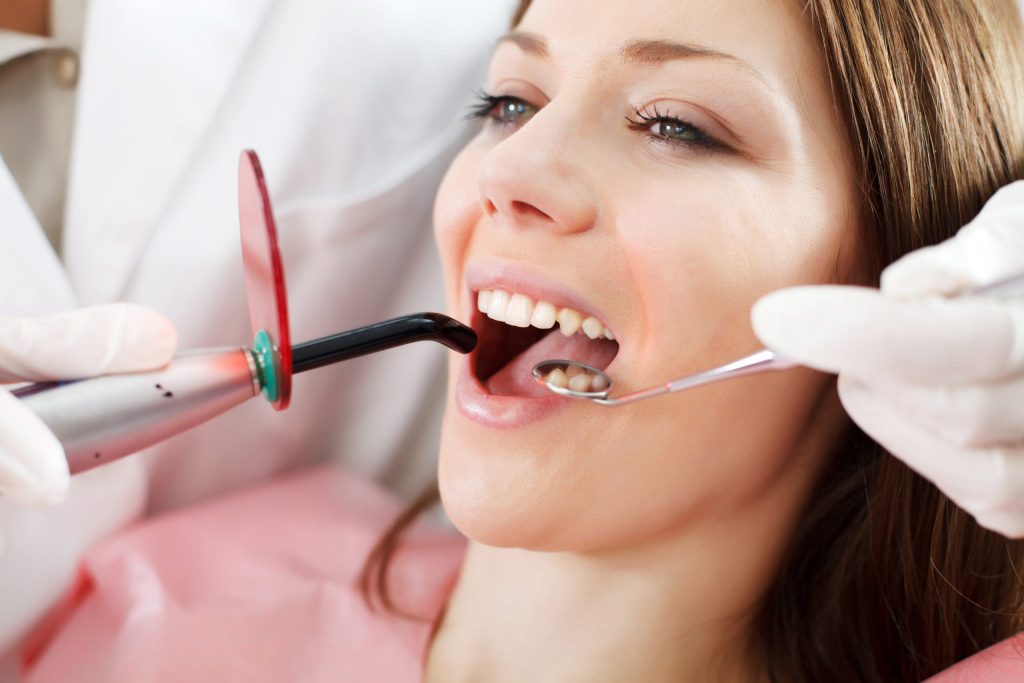
If you keep dealing with food stuck between teeth in the exact same spot, it can feel like a daily annoyance that never ends. One pesky piece of food turns into repeated flossing, rinsing, and discomfort at the dinner table. While it can be a minor inconvenience at first, a repeated food trap can also be an early sign of dental problems that deserve attention.
At Embury Family Dentistry in West Seneca, NY, Dr. Carl Embury and Dr. Caitlin Embury often help patients get to the bottom of this issue with calm, personalized dental care. The goal is simple: protect your natural teeth, keep your gums healthy, and make eating comfortable again with conservative solutions like dental fillings or dental crowns when appropriate.
Why is food stuck between teeth always happening in the same spot?
When food particles consistently wedge into the same small spaces, it usually means something has changed in the contact point where two teeth meet or along the gum line. That change can come from wear, decay, shifting, or older dental work. A quick evaluation helps identify the cause and reduce the risk of tooth decay, gum inflammation, and irritation.
The most common causes of a food trap between two teeth
A repeating food trap usually comes down to a limited number of things happening in that area of the mouth. Some causes are relatively simple fixes, and others require restorative treatment to protect the tooth enamel and surrounding gum tissue.
Common patterns include:
- An open contact where the teeth no longer touch as tightly as they should
- A chipped edge or worn enamel that catches meat fibers or fruit skins
- Cavities between teeth, sometimes hidden until food debris keeps packing in
- A worn or broken filling that changed the tooth’s shape
- Changes near the gumline from gum disease or inflammation
- Tooth movement from bite forces, clenching, braces, or time
Because the same spot keeps collecting leftover food particles, it helps to think of it like a doorway that no longer closes properly. Once there is a gap, a piece of food is going to find it.
Open contact: when teeth stop touching the way they used to
A tight contact between teeth is supposed to act like a barrier. If that contact opens, even slightly, stuck food becomes much more likely. This can happen gradually from normal chewing and wear, or it can follow dental work if a filling or crown edge changes over time.
An open contact can create excessive pressure on the gums when food gets forced down toward the gum line. Over time, that pressure can lead to redness, discomfort, and gum inflammation, especially if plaque collects in the area.
Cavities and tooth decay between teeth
Not every cavity hurts right away. Tooth decay between teeth can start small, and repeated stuck food may be one of the first clues. When food particles repeatedly sit in one spot, bacteria have more time to interact with sugars and starches, increasing the risk of tooth decay and infection.
If you notice bad breath that seems tied to that spot, or flossing causes tenderness or irritation every time, it is worth scheduling professional dental care. Treating cavities early helps avoid more complex dental problems later.
Gum changes that create a “pocket” for food debris
Your gums and gum tissue help guide food away from sensitive areas. When gums are inflamed, or when gum disease has caused tissue changes near the gumline, food can collect more easily. Some patients describe feeling like there is a little “shelf” where food debris gets stuck.
This matters because gum inflammation can make cleaning harder and lead to more plaque buildup. When you combine inflammation with daily packing of stuck food, the gums can stay irritated and sore.
When old dental work becomes the problem
A filling or crown is designed to restore the natural shape of your tooth so it fits smoothly with the teeth next to it. If older fillings wear down, chip, or change shape, they can create a tiny ledge that grabs a piece of food. The same thing can happen if decay forms around the edge of a restoration.
Patients are sometimes tempted to “fix” the issue at home by using sharp objects, a fingernail, or anything handy to dislodge the wedge. That can injure delicate gum tissue and increase the risk of damage to the tooth or gums. A dentist can check whether the existing dental work still seals and supports the tooth properly.
What to do at home when you have stuck food (and what to avoid)
At-home care can help in the moment, especially when you are trying to get through a meal comfortably. The key is to be gentle and consistent, focusing on good oral hygiene habits that protect the gums.
Helpful options include:
- Use dental floss or floss picks carefully, sliding rather than snapping at the gum line
- Try rinsing with warm water to loosen food particles after eating
- Use a water flosser to flush out food debris without scraping
- Consider an interdental brush if the space is accessible and your gums tolerate it well
- Brush with a soft toothbrush as part of your daily routine, paying attention to the gumline
Avoid using sharp objects or forcing anything into the space. If flossing causes bleeding every time, or you feel ongoing discomfort, that is a sign to seek professional help instead of continuing to irritate the area.
When should you see a dentist for food stuck between teeth?
If it happens once in a while with certain types of food, it may simply be normal anatomy. If it happens frequently in the same space or causes tenderness, it is smart to schedule a consultation. Repeated food packing increases the risk of tooth decay, gum disease, and ongoing inflammation.
Make an appointment if you notice any of the following:
- The same pesky piece of food gets trapped daily or during most meals
- Flossing is painful or you see persistent redness
- There is a rough edge you can feel with your tongue
- You notice bad breath or a bad taste that returns quickly
- The area feels sensitive when chewing, especially on one side
Tooth Colored Fillings: a conservative way to restore shape and stop the food trap
When decay or a small defect is creating the problem, Tooth Colored Fillings can be a simple, effective solution. The purpose of a filling is to remove decay, restore the tooth’s shape, and protect the tooth enamel so bacteria are less likely to re-enter the area. Composite materials can also be shaded to blend naturally with surrounding teeth, which supports a natural-looking result.
At Embury Family Dentistry, treatment is designed to feel personal and unhurried. Dr. Carl Embury and Dr. Caitlin Embury take time to explain what they see and why it matters, then talk through options that support your long-term oral health. Many fillings can be completed in one visit, and the restored tooth is shaped and polished so it fits comfortably when you bite and chew.
Dental Crowns: when a tooth needs stronger coverage
Sometimes a filling is not enough, especially if a tooth has a large existing filling, significant wear, cracks, or damage that compromises strength. In those cases, Dental Crowns can restore function and protect the tooth by covering the visible portion above the gum line. A well-fit crown helps support chewing and maintain proper spacing, which can play a role in preventing repeated stuck food.
Crowns are typically completed over two visits. First, the tooth is prepared and a temporary crown is placed while the custom crown is made. At the second visit, the definitive crown is placed and adjusted for fit and comfort. This careful approach helps the final result feel natural and function smoothly with the teeth next to it.
A calmer path forward: get answers, then choose the right fix
If you are tired of dealing with food stuck between teeth in the same place, you do not have to guess at the cause. A focused exam can identify whether you are dealing with decay, a shifting contact, gum inflammation, or a restoration that needs to be updated. Addressing it early protects your oral health and helps you enjoy meals without constant flossing and rinsing.
If you would like help stopping a persistent food trap, contact Embury Family Dentistry in West Seneca to schedule a consultation. We can talk through comfortable options like Tooth Colored Fillings or Dental Crowns and help you return to easy, confident chewing.