
Few things are as frustrating as sitting down for a meal and realizing your tooth hurts when biting down. That discomfort can turn a simple bite of food into extra pressure, a wince, and a lot of questions. The good news is that this symptom usually has a clear explanation, and the right care can often stop it from turning into bigger problems.
At Embury Family Dentistry in West Seneca, NY, we take dental pain seriously because it is often your body’s way of pointing to an underlying dental issue. Below, we’ll walk through the most common causes of tooth pain when chewing, what warning signs to watch for, and what a trusted dentist may recommend, including Tooth Colored Fillings, Dental Crowns, or an Emergency Dentist visit when needed.
Why does my tooth hurt when biting down?
When your tooth hurts when biting down, it usually means your tooth or the surrounding tissues are reacting to pressure. Sometimes it’s a small issue like a loose filling or bite problems. Other times, it points to deeper layers of your tooth being irritated, including the tooth roots or the root of a tooth.
Common causes of tooth pain when biting down
Tooth pain can show up in different ways, from a dull ache to sharp pain or even intense pain that makes you stop chewing on that side. Here are potential causes we commonly see, especially in the back teeth where chewing forces are strongest.
A cracked tooth or tiny cracks
A cracked tooth is one of the most common causes of tooth pain when biting. You may feel sharp pain when you bite down, especially on hard foods, then relief when you release. Some cracks are hairline fractures that can be difficult to spot with the naked eye, and a small crack can still create big discomfort when it flexes under pressure.
Because cracks can deepen over time, prompt dental care helps reduce the risk of further damage. If the crack travels toward the tooth roots, treatment becomes more complex, so early evaluation is a smart first step.
Tooth decay under the surface
Tooth decay can start small and remain quiet, then suddenly hurt when chewing as the damage reaches deeper layers of your tooth. You might notice tooth sensitivity to hot, cold, or acidic foods, along with pain that feels localized to a specific tooth.
Catching decay early supports long-term dental health and often allows for a conservative dental treatment like dental fillings, including Tooth Colored Fillings that blend naturally with your smile.
A loose filling or older dental work
If you have prior dental work, biting pain can happen when a loose filling or worn restoration creates uneven contact. That uneven pressure can irritate the tooth enamel and the nerve inside the tooth, causing discomfort that feels like it comes out of nowhere. Some patients also notice a bad taste, sensitivity, or food getting stuck around the area.
A dental exam can confirm whether a filling needs to be replaced or whether the tooth needs more coverage for protection.
Bite issues and pressure points
Sometimes the tooth itself is healthy, but your bite has changed slightly due to grinding, shifting teeth, or recent dental work. Even a minor high spot can create extra pressure on one tooth, especially on the upper back teeth or lower molars. The pain may feel “too tall” when you close, and it often worsens as the day goes on.
Adjusting the bite can be a straightforward fix, and it helps prevent the cycle of soreness and inflammation from continuing.
Gum recession or gum disease
Your gums help protect the roots of the teeth. With gum recession, more of the root surface becomes exposed, which can lead to sensitive teeth and discomfort when chewing. Gum disease can also create tenderness, swelling, and ongoing dental pain, especially if the tissues around a tooth are inflamed.
Improving gum health sometimes includes better home routines and, when recommended, professional deep cleaning to reduce infection and support proper care long-term.
Sinus pressure referred to the upper teeth
Not all toothaches originate in the tooth. Sinus infections, sinus congestion, and sinus pressure can cause aching in the upper teeth because the roots of your upper teeth sit close to the sinus cavities. This can be confusing because it feels like a tooth problem, often in the upper back teeth, even without visible decay.
If your tooth hurts when you bite and you also have congestion or facial pressure, a dental exam can help determine whether the pain is dental-related or referred.
Infection, abscess, and deeper tooth problems
If bacteria reach the nerve, pain can escalate quickly. An infection may cause severe pain, sensitivity, swelling, or a persistent bad taste. In advanced cases, the tooth can develop a dental abscess or become an abscessed tooth, meaning infection has built up around the root area and surrounding bone.
When the inner tissue is damaged, a root canal may be the right treatment to remove the infection and relieve pain while keeping the tooth. Addressing this early helps prevent the infection from spreading and protects your overall dental health.
What the kind of pain may be telling you
Pain patterns matter. They help your dentist narrow down causes of tooth pain and choose the right care.
- Sharp pain on a specific bite point can suggest a cracked tooth, tiny cracks, or a loose filling.
- Dull ache or throbbing can correlate with inflammation, tooth decay, or gum disease.
- Intense pain that lingers can point to nerve involvement, sometimes leading to a root canal.
- Pressure pain in the upper teeth paired with sinus symptoms can be linked to sinus pressure or sinus infections.
Even if the pain comes and goes, it still counts as a warning sign. Chewing around it can contribute to further damage, especially if fracture lines expand.
When to call an Emergency Dentist in West Seneca
Some situations should not wait until your next visit. A toothache is a common reason patients seek urgent help, and it can signal infection or a cracked tooth that is worsening.
Consider calling for emergency dental care during business hours if you have:
- Severe pain that makes it hard to eat, sleep, or focus
- Swelling in the gums or face, or tenderness near the gum line
- Signs of infection like a bad taste
- A suspected cracked tooth after biting on hard foods
- Pain after recent dental work that feels like your bite is “off” or worsening
At Embury Family Dentistry, Dr. Carl Embury and the team prioritize urgent needs because early treatment can help prevent bigger problems and serious infection.
What we may recommend: Tooth Colored Fillings and Dental Crowns
Once we identify the underlying dental issue, the goal is to protect your tooth, restore comfort, and keep your smile looking natural.
Tooth Colored Fillings for small to moderate damage
If tooth decay is present or an older filling needs replacement, Tooth Colored Fillings can restore the tooth with a composite resin material that blends in naturally. Many patients appreciate that the result looks like their real tooth while still being durable for everyday chewing.
Dental Crowns when a tooth needs stronger protection
If a tooth is cracked, broken, or too decayed to hold a filling, Dental Crowns can provide coverage and reinforcement. A crown functions like a protective cap that covers the tooth, helping it handle chewing forces again, especially in the back teeth where pressure is highest.
Crowns can also help when cracks extend deeper. Protecting the tooth sooner can reduce the risk of the crack moving toward the tooth roots.
How a dental exam helps you get the right treatment
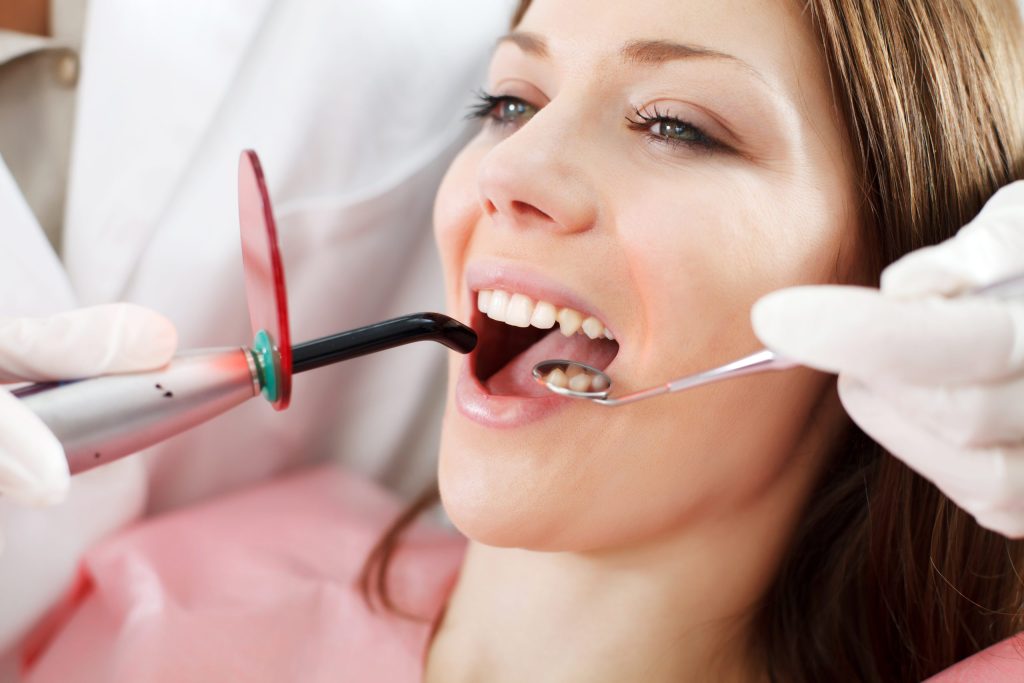
A thorough dental exam is often the fastest path to answers, especially when the pain is coming from a specific tooth. Your dentist will look for signs of decay, gum recession, loose dental fillings, bite issues, and cracks that may not be visible to the naked eye. From there, we can recommend the right treatment for your situation and help you feel comfortable about the plan.
If you are dealing with persistent dental pain, do not wait for it to become severe pain. The right dental treatment at the right time helps protect your tooth enamel, preserve the roots of the teeth, and prevent further damage.
Ready to stop the pain and protect your tooth?
If your tooth hurts when biting down, schedule a visit with Embury Family Dentistry in West Seneca. Whether you need Tooth Colored Fillings, Dental Crowns, or an Emergency Dentist evaluation during business hours, Dr. Carl Embury and Dr. Caitlin Embury focus on gentle, personalized dental care that helps you feel at ease and confident in your next steps.