
You look in the mirror and your smile seems perfectly fine. Then you see a photo, a selfie, or a video call screenshot and your teeth suddenly look gray, flat, or dull. If that sounds familiar, you are not alone, and it does not automatically mean you have poor oral health or that you are doing anything “wrong.”
Teeth can photograph very differently than they appear in everyday lighting. Everything from the light source to the condition of your tooth enamel can affect how bright your smile looks. The good news is that once you understand what is causing the gray cast, you can choose a solution that fits your goals, comfort level, and natural look.
Why do my teeth look gray or dull in photos even after teeth whitening?
Teeth can look darker in photos because cameras and indoor lighting often reduce the warm tones that make natural teeth look bright in person. If your enamel is thin, if you have surface stains, or if your teeth are dehydrated from mouth breathing, the darker layer underneath can show through more, creating tooth discoloration that reads as gray on camera.
The photography reasons: lighting, flash, and “camera math”
A lot of dull-looking smiles come down to how photos are taken, not a sudden change on the tooth surface. Phone cameras automatically adjust “exposure” and “white balance.” In bright light, your face can look great while your teeth lose contrast and appear muted. Flash can also bounce off shiny enamel and create odd shadows, especially if teeth have subtle texture.
Environmental factors matter too. Cool LED bulbs, office lighting, and even the background color can make teeth look more gray. If you have ever noticed your teeth look different in your bathroom mirror versus your car visor mirror, you have already seen this effect in real life.
Enamel wear and translucency: when the underlying color shows through
Enamel is the bright, protective outer layer of your teeth. When tooth enamel becomes thinner from natural wear or enamel erosion, more of the deeper tooth layer becomes visible. That deeper layer is naturally darker and warmer, and in photos it can translate as gray or dull.
Common contributors include teeth grinding, aging, and frequent exposure to acidic foods and drinks. Citrus habits like sipping water with lemon juice all day can also stress enamel over time, especially if brushing happens immediately afterward. The goal is not perfection, it is protection. Conservative, preventive care helps preserve your natural tooth structure so your smile keeps its brightness and strength.
Extrinsic vs. intrinsic stains: not all discoloration is on the surface
Some stains sit on the outside of the tooth, and some develop within the tooth structure. Extrinsic stains are typically linked to foods, drinks, and lifestyle habits that leave pigment behind. These often respond well to a professional whitening process because the stain is closer to the surface.
Intrinsic color changes are different. They can come from past trauma, changes during tooth development, or certain medical factors, including some types of drug administration. In more complex cases, rare conditions like amelogenesis imperfecta or dentinogenesis imperfecta can affect enamel and dentin formation, leading to teeth that look gray, opalescent, or uneven in photos. If you have always noticed your smile photographs “darker,” it can be helpful to talk with a dentist so you know what category you fall into.
Dehydration, dry mouth, and why your smile looks flatter on camera
Teeth have a natural shine that comes from light reflecting off a hydrated surface. When your mouth is dry, teeth can look chalky, flat, or dull. This can happen during long meetings, video calls, mouth breathing at night, or even right after you wake up.
Dryness can also make lighter and darker areas stand out more. If you have white spot lesions, for example, dehydration can make them look brighter while the surrounding tooth looks dull, increasing the contrast in photos. Bringing hydration back and addressing dry mouth habits can improve how your smile photographs, even before cosmetic dentistry is involved.
When “whitening” is not a match: crowns, fillings, and other dental restorations
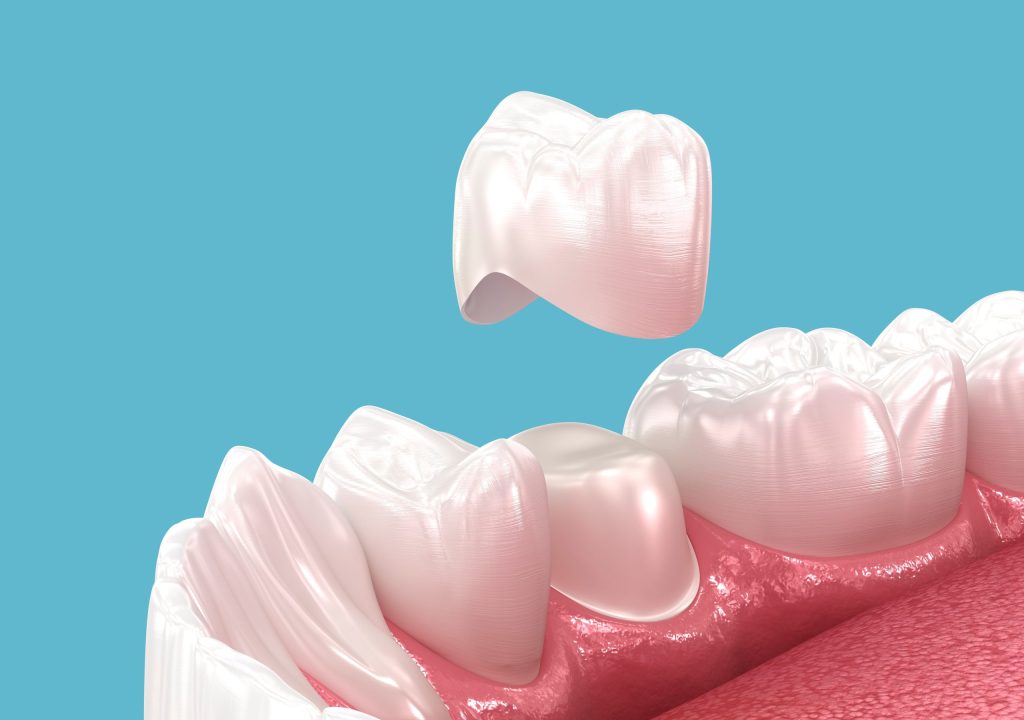
One surprising reason teeth look mismatched in photos is that whitening does not change the color of existing dental restorations. Tooth-colored fillings and Dental Crowns are shaded to match your smile at the time they are placed. If your natural teeth brighten or if a photo’s lighting exaggerates contrast, restorations may look more opaque or gray next to surrounding enamel.
This is one reason a personalized plan is important. A whitening approach that looks great in person should also look balanced in flash photos, and that often means considering any previous dental work during treatment planning.
Professional teeth whitening: what actually brightens teeth (and what doesn’t)
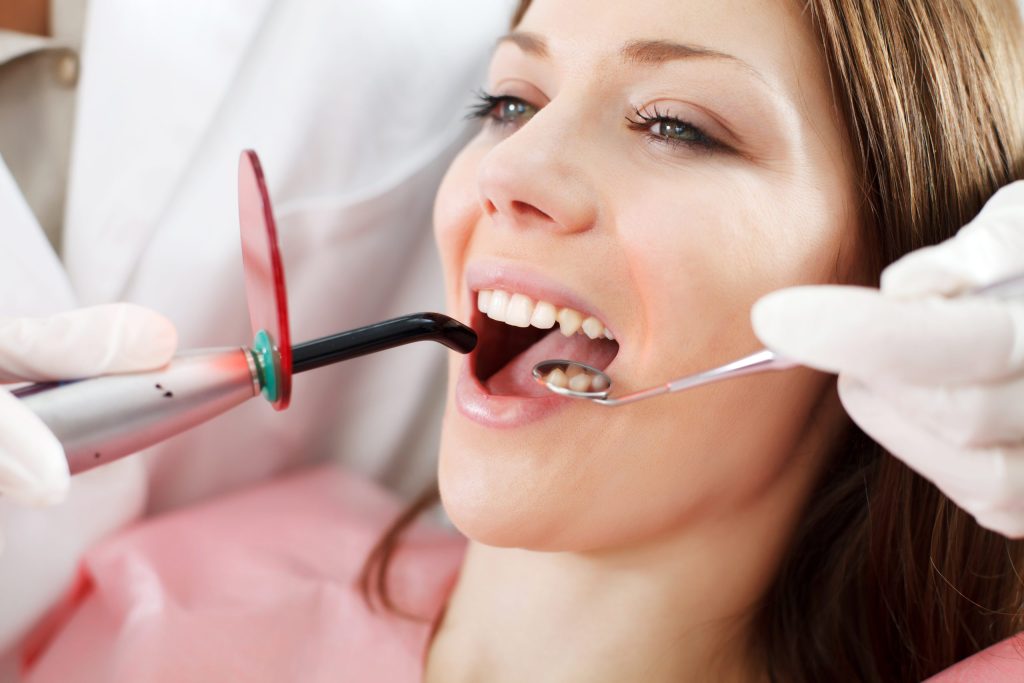
If stains are the main issue, tooth whitening can be a very effective way to lift discoloration and help you get whiter teeth with a natural finish. In a dental office, professional whitening typically uses a concentrated whitening gel and a carefully controlled process for comfort and safety. Most whitening systems rely on a bleaching agent such as hydrogen peroxide or carbamide peroxide to break apart stain molecules.
At Embury Family Dentistry, patients can choose in-office whitening with Zoom Whitening or take-home whitening with Opalescence Go. In-office treatment is designed to work quickly, while take-home trays offer more control over gradual brightening. Opalescence Go also includes fluoride and potassium nitrate, which can help with tooth sensitivity for some people.
Whitening strips, oil pulling, and other home remedies: what to know first
It is easy to get pulled into online tips like whitening strips, charcoal powders, oil pulling, or DIY rinses. Some can remove minor surface buildup, but results and safety vary widely. Many “hacks” have insufficient evidence, and some can irritate tissues or wear enamel.
Here are a few common examples patients ask about:
- Coconut oil for oil pulling: Some people like it as a routine, but the scientific evidence for noticeable whitening is limited, and it will not replace a true whitening treatment.
- Citrus ideas like lemon peel or brushing with lemon juice: These are a poor choice for enamel because of acidity and can increase sensitivity over time.
- Overuse of whitening products: Doing too much too fast can increase gum irritation, side effects, and uneven color.
The American Dental Association encourages patients to talk with their dentist about safe options. A quick visit can help you avoid unnecessary adverse effects and guide you to an approach that fits your smile.
Porcelain Veneers for gray or dull teeth: a natural-looking option when whitening hits a limit
Sometimes whitening cannot create the change you want, especially if the tooth color issue is internal, if there are shape concerns, or if you want a more consistent look across multiple teeth. Porcelain Veneers can be a beautiful, conservative cosmetic solution for teeth that appear gray, worn, chipped, or uneven.
Porcelain veneers are thin shells of porcelain bonded to the fronts of your teeth. Dr. Carl Embury designs veneers to suit you, including the shape of your face and the look you want your smile to convey. As part of the process, you can test-drive your smile with temporary veneers, then refine the look until it feels right. Veneers are also made to look like real enamel, including a slightly translucent finish that helps them blend naturally.
How we personalize your plan at Embury Family Dentistry
A camera can highlight small details, and that is why your solution should match your specific teeth rather than a one-size-fits-all product. Dr. Carl Embury and Dr. Caitlin Embury take time to listen to what you are noticing and what you want to change, then recommend options that prioritize comfort and natural aesthetics.
Your plan may include professional care to remove surface stain, a supervised whitening process, or a veneer approach to refine color and harmony. If you already have crowns or fillings, that becomes part of the conversation so your final result looks consistent in real life and in photos.
Ready for a brighter smile that still looks like you?
If your teeth look gray or dull in photos, you deserve a clear answer and a comfortable path forward. Embury Family Dentistry in West Seneca offers teeth whitening options as well as Porcelain Veneers for patients who want a natural-looking smile upgrade. Call the office or request an appointment online to schedule a consultation and explore what will work best for your smile.