
If you’re starting your day with morning headaches and jaw pain, your body may be sending you an important signal. Many assume it’s “just stress” or poor sleep posture, but recurring symptoms in the morning often follow patterns worth noting. Persistent head pain, facial discomfort, or a tight jaw can impact your mood, energy, and daily life.
At Embury Family Dentistry in West Seneca, NY, we frequently meet patients surprised to learn that jaw joint and muscle issues can contribute to headaches, jaw soreness, and even earaches. Our goal is to help you connect the dots, recognize signs of a TMJ disorder, and understand what steps can lead to relief.
Why Do Morning Headaches and Jaw Pain Feel Worse After Waking?
Morning symptoms often reflect what happens during sleep. At night, you may clench, grind, or subtly move your jaw, straining the temporomandibular joints. By morning, this strain can manifest as tension headaches, jaw tightness, or facial muscle aches.
Several factors can amplify these symptoms overnight. Sleep disruption and lack of rest lower pain tolerance. Inflammation around the jaw joints can quietly build, and dehydration may contribute to headaches. If you rely on caffeine or energy drinks, withdrawal symptoms could also play a role. The key is noticing whether these patterns repeat, especially alongside jaw pain or stiffness.
Understanding TMJ and the Temporomandibular Joints (In Plain Language)
TMJ refers to the temporomandibular joints, which connect your lower jaw to your skull. These joints hinge and slide, enabling chewing, speaking, and smooth jaw movement. Because they work with muscles, ligaments, and a small disc, they can become sensitive when jaw alignment or muscle balance is off.
A temporomandibular joint disorder (TMD) can involve the joint itself, surrounding muscles, or both. Some people notice clicking, limited jaw movement, or soreness near the joint. Others experience headaches, facial pain, or discomfort that radiates. TMJ problems vary widely, making a thoughtful evaluation essential.
Morning Signs of a TMJ Disorder
TMJ symptoms often appear in the morning and ease as the day progresses, though some worsen during stressful periods. If you relate to several of the following, it may be time to explore TMJ issues:
- Jaw soreness or stiffness when opening your mouth
- A tight jaw or limited range of motion
- Headaches, especially pressure at the temples or sides of the face
- Facial pain, particularly in the cheeks
- Earaches, tinnitus, or a “full” feeling near the ears
- Tooth or gum sensitivity from nighttime grinding
- Chronic or recurring headaches without a clear trigger
These symptoms can stem from various causes, including migraines or tension headaches. Tracking what happens alongside your headaches can help your dentist identify the most likely source.
Nighttime Teeth Grinding, Clenching, and Bruxism: The Hidden Strain
Many people grind or clench their teeth during sleep without realizing it. Nighttime grinding (bruxism) can overwork jaw muscles and strain the joints, contributing to TMJ headaches, jaw pain, and chewing discomfort.
Grinding can also wear down teeth. Some patients notice flattened edges, small chips, or sensitivity in dental work like crowns. Even if your teeth appear fine, your muscles and joints may still be overworked. A dental exam can reveal wear patterns and other clues pointing to nighttime habits.
Could It Be Sleep Apnea or Obstructive Sleep Apnea?
Some morning symptoms overlap with sleep-related breathing issues. Sleep apnea, including obstructive sleep apnea, can cause sleep disruption, morning headaches, and daytime fatigue. People with apnea may wake with a dry mouth, feel unrefreshed, or hear from a partner about snoring or breathing pauses. While apnea is a medical condition requiring specialized care, it can coexist with clenching and grinding.
If you experience morning headaches and jaw pain along with signs of apnea, mention it during your dental visit. A thorough discussion of your health history and sleep habits can help determine whether your symptoms align with TMJ, sleep-related issues, or a combination requiring coordinated care.
When Headaches Are Not TMJ: Other Common Contributors
Headaches are complex, and everyday habits can trigger or worsen them. Caffeine and withdrawal symptoms are common culprits, especially if your intake fluctuates. Dehydration, particularly during busy periods, can also contribute. Tight neck and shoulder muscles may feed into head pain due to shared muscle referral patterns.
Migraines, which involve blood vessels and nerve sensitivity, can feel distinct from TMJ headaches. Sinus pressure or illness can also cause severe headaches. You don’t need to self-diagnose—simply track your symptoms and share them with a dentist who listens and looks for patterns connecting your jaw function, bite, and discomfort.
How a Dental Office Can Help: Evaluation for TMJ Problems
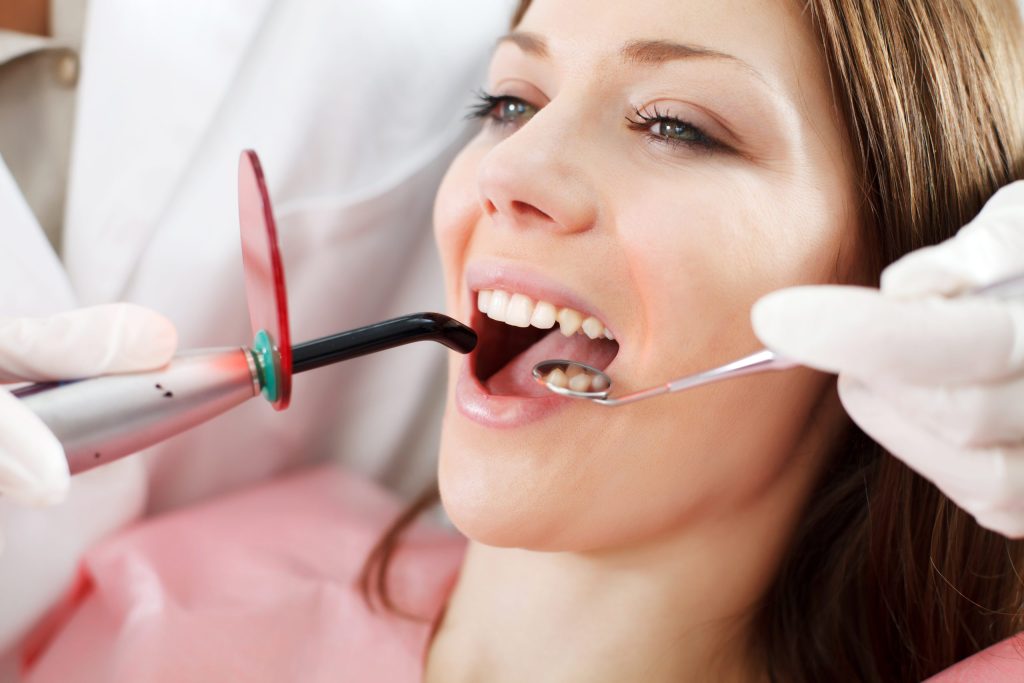
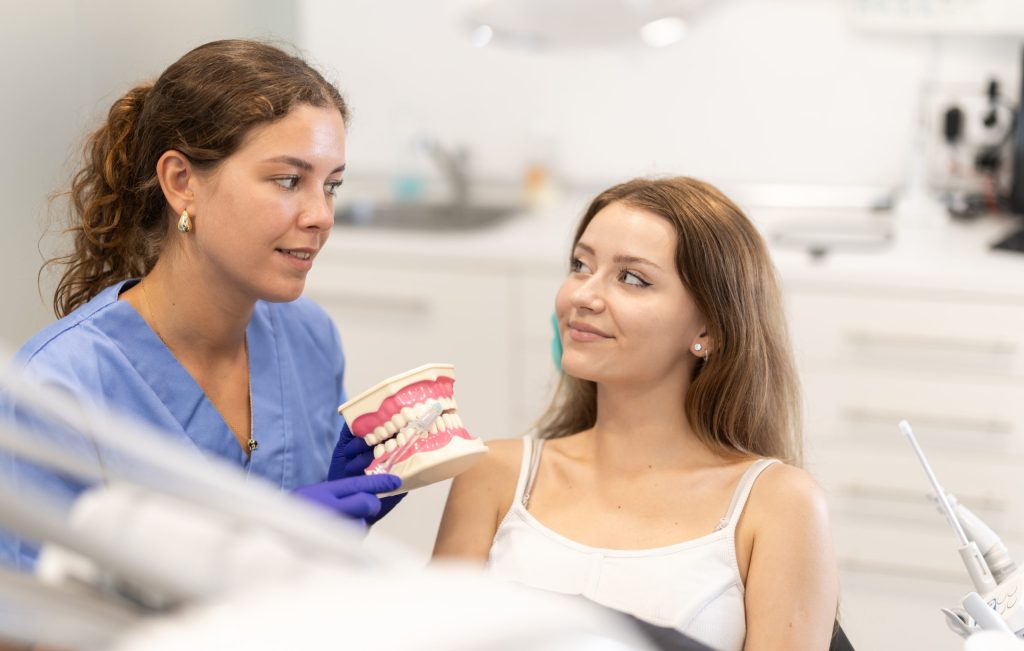
At Embury Family Dentistry, Dr. Carl Embury and Dr. Caitlin Embury take a patient-centered approach to TMJ care. A detailed medical history and thorough dental exam are the starting points. This includes discussing your symptoms, assessing jaw movement, and evaluating chewing habits and muscle condition.
Dr. Embury also checks for signs of joint strain or deterioration contributing to discomfort. Some cases are straightforward, while others require more problem-solving. Mild cases may be managed in-office, while complex situations may involve referrals to specialists for tailored care.
TMJ Treatment Options That Prioritize Comfort
TMJ treatment depends on the underlying cause of your symptoms. Some patients need muscle relief and protection from clenching, while others require further evaluation. For many mild cases, conservative approaches are effective.
One option is an NTI appliance, a small, custom-fitted device worn over the front teeth at night. It reduces clenching, helping jaw muscles relax and alleviating symptoms like jaw soreness and headaches. Some patients notice relief quickly, while others may need additional support.
Other treatments include night guards, physical therapy, or bite-related strategies for jaw alignment. Your dentist will recommend what fits your diagnosis, especially for persistent TMJ problems or severe headaches.
Simple At-Home Steps to Try While Scheduling a Consultation
While not a substitute for professional care, small changes can reduce strain and help you identify patterns:
- Relax your jaw during the day, keeping teeth slightly apart
- Opt for softer foods if chewing causes discomfort
- Avoid gum chewing, which overworks jaw muscles
- Stay hydrated to prevent dehydration-related headaches
- Maintain consistent caffeine intake to avoid withdrawal symptoms
- Track symptoms, noting when headaches start, their location, and any jaw pain
If you’re dealing with constant headaches, migraines, or worsening facial pain, seek professional guidance promptly.
When to Schedule TMJ Treatment in West Seneca
If morning headaches and jaw pain persist, or you notice a tight jaw, soreness, earaches, or clicking in the jaw joints, a dental evaluation can provide clarity and relief. You deserve answers and treatment that supports a healthy bite and comfortable jaw function.
To learn more about TMJ treatment, call Embury Family Dentistry in West Seneca, NY, or use our online contact form to schedule a consultation. We’ll listen to your concerns, explain our findings, and create a plan tailored to your needs.